Buy udise.com ?
We are moving the project
udise.com .
Are you interested in purchasing the domain
udise.com ?
domain@kv-gmbh.de · 0541-91531010
Buy udise.com ?
What are rotational movements?
Rotational movements are movements that involve rotating or turning a body part around its axis. These movements can occur at joints in the body, such as the shoulder or hip joints, allowing for a range of motion in different directions. Rotational movements are important for activities such as throwing, swinging, and twisting, and they help to improve overall flexibility and coordination. **
What is rotational symmetry?
Rotational symmetry is a type of symmetry where a shape or object can be rotated by a certain angle and still look the same. In other words, if you can rotate a shape less than 360 degrees and it appears unchanged, then it has rotational symmetry. The number of times a shape can be rotated and still look the same is called its order of rotational symmetry. Shapes like circles have infinite rotational symmetry, as they look the same no matter how many times they are rotated. **


Similar search terms for Rotational
Top-Angebote
Products related to Rotational:
-
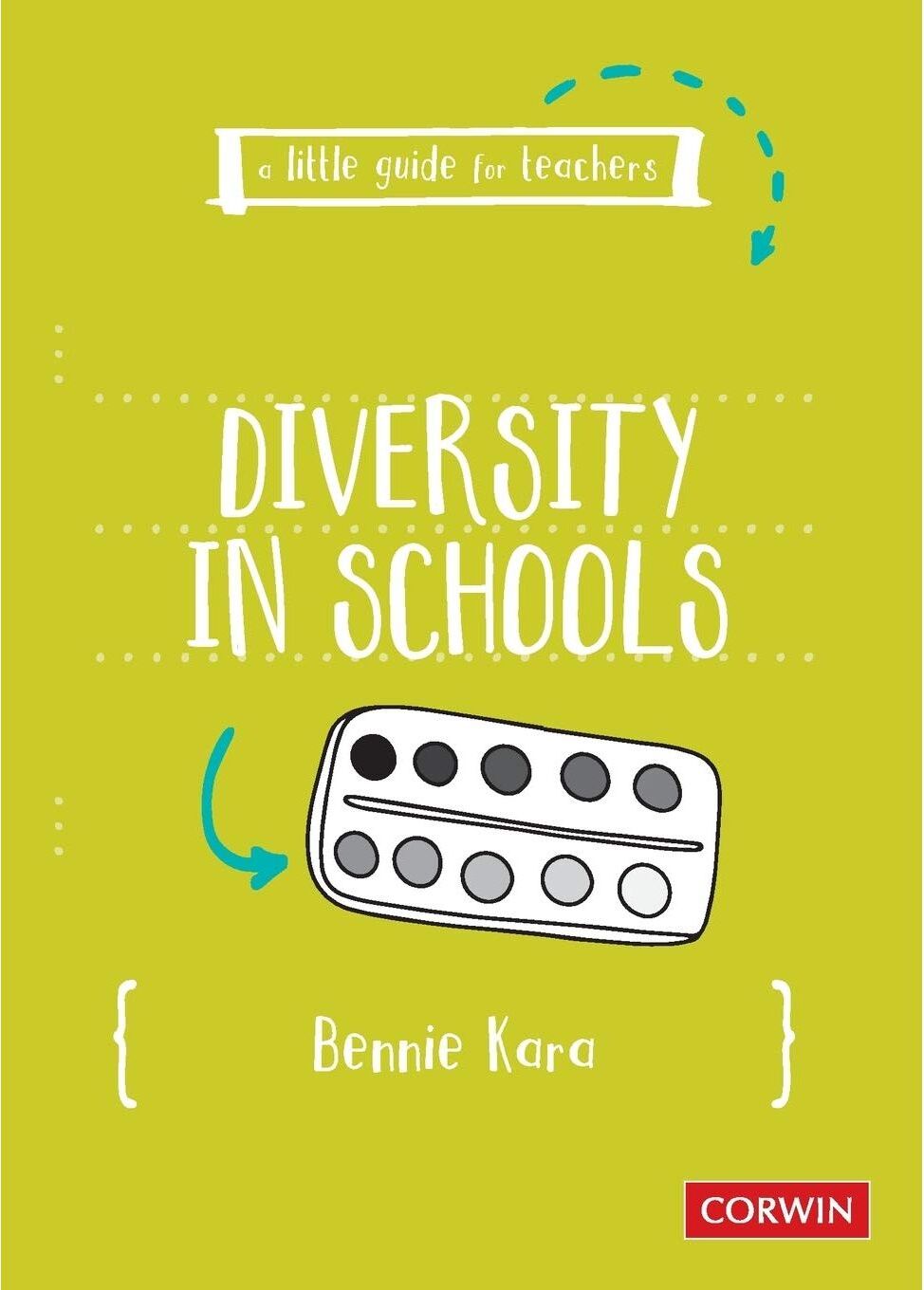
SAGE Publications A Little Guide for Teachers: Diversity in Schools (A Little Guide for Teachers)A Little Guide for Teachers: Diversity in Schools aims to provide starting points for teachers and leaders in creating a curriculum, either across disciplines or within subjects, that is as deep and diverse as their students. The Little Guide for Teachers series is little in size but BIG on all the support and inspiration you need to navigate your day to day life as a teacher. · Authored by experts in the field · Easy to dip in-and-out of · Interactive activities encourage you to write into the book and make it your own · Fun engaging illustrations throughout · Read in an afternoon or take as long as you like with it!12,99 £*Shipping: 2,99 £Secure redirect to the provider
-
Shop Station Blanket Math Formula Blanket Science Throw For Students Teachers & Physics Lovers black 28x39inWrap yourself in comfort while celebrating your passion for science with this STEM blanket. Designed with eyecatching mathematical and physics formulas, this ultrasoft math formula blanket adds personality to your bedroom, sofa, or dorm while...64,97 $*Shipping: 0,00 $Secure redirect to the provider
-
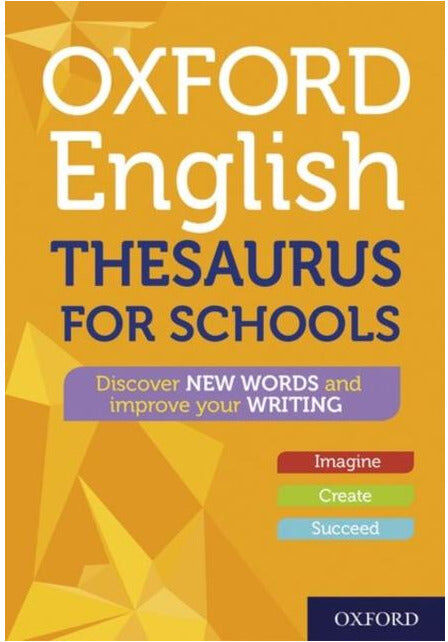
OXFORD UNIVERSITY PRESS Oxford English Thesaurus For SchoolsThe Oxford English Thesaurus for Schools is easy to use with its accessible layout, making it the perfect language resource for school work and studying at home. Fully updated, it delivers a wide vocabulary with excellent coverage of curriculum words, for example cell and fraction, as well new words on topics such as technology, health and the environment. It also provides context with age-appropriate example sentences, from the best children's books and teenage fiction, to show students how to use language most effectively. It is powered by the Oxford Children's Corpus, a unique electronic database of millions of words written by and for children, which means that the vocabulary is presented in a way that is both accessible and stretching. It gives hands-on support to young writers, with a unique toolkit on writing skills, including word webs, special synonyms, overused words panels, writing tips panels, and usage notes. It also includes a new section on creative writing drawing on the 500 words to support students with their own writing. This is the ideal resource to use when preparing for the Spoken Language Study and the English Language objectives of the GCSE specifications for KS3-4, and where permitted, is ideal for taking in to Controlled Assessments, along with the companion Oxford English Dictionary for Schools. Free downloadable learning resources, word games, puzzles, and much more are available for additional online support at www.oxforddictionaries.com/schools9,49 £*Shipping: 2,99 £Secure redirect to the provider
-
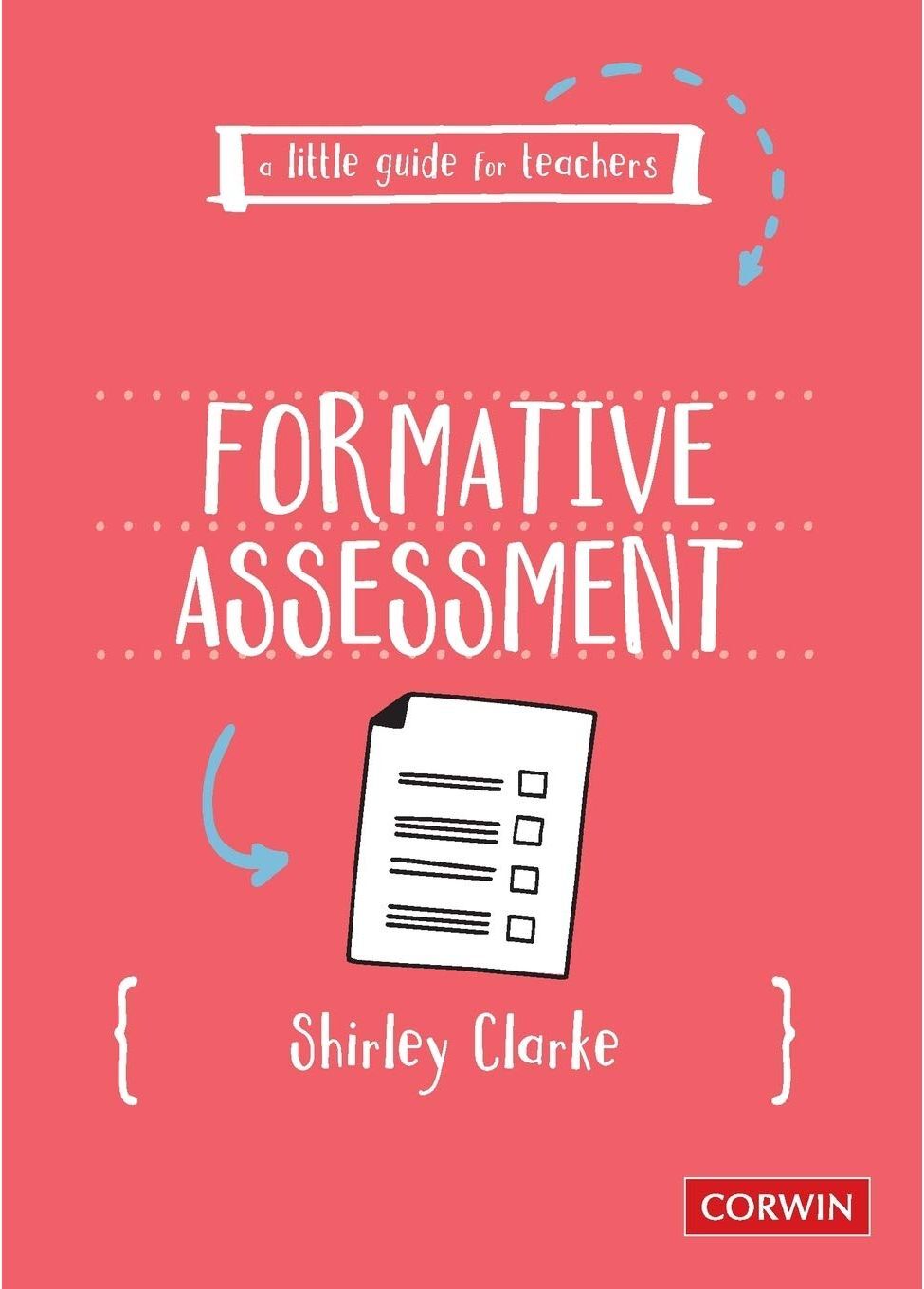
SAGE Publications A Little Guide for Teachers: Formative Assessment (A Little Guide for Teachers)Bridging the gap between research and practice A Little Guide for Teachers: Formative Assessment gives teachers practical tried and tested strategies to put formative assessment into action in their classrooms. The Little Guide for Teachers series is little in size but BIG on all the support and inspiration you need to navigate your day to day life as a teacher. · Authored by experts in the field · Easy to dip in-and-out of · Interactive activities encourage you to write into the book and make it your own · Fun engaging illustrations throughout · Read in an afternoon or take as long as you like with it!12,99 £*Shipping: 2,99 £Secure redirect to the provider

-
What is rotational energy?
Rotational energy is the energy an object possesses due to its rotation around an axis. It is a form of kinetic energy that is associated with the spinning motion of an object. The amount of rotational energy an object has depends on its mass, shape, and the speed at which it is rotating. This type of energy is important in various systems, such as in the operation of engines, turbines, and other rotating machinery. **
-
What is a rotational body?
A rotational body is an object that is capable of rotating around an axis. This type of motion involves the object spinning or turning in a circular or curved path. Examples of rotational bodies include spinning tops, wheels, and planets. The motion of rotational bodies can be described using principles of angular momentum, torque, and rotational inertia. **
-
What are rotational bodies used for?
Rotational bodies are used in various applications such as engines, turbines, pumps, and motors. They are essential components in machinery that require rotational motion to function effectively. Rotational bodies are also used in vehicles, industrial equipment, and household appliances to convert energy into mechanical work. Overall, rotational bodies play a crucial role in powering a wide range of mechanical systems and devices. **
-
What is the rotational speed theory?
The rotational speed theory is a concept in physics that describes the relationship between the speed of rotation of an object and its stability. It states that the faster an object rotates, the more stable it becomes due to the centrifugal force generated. This theory is often applied in various fields such as engineering, sports, and astronomy to understand the behavior of rotating objects. By analyzing the rotational speed of an object, scientists and engineers can predict its stability and performance in different conditions. **


How does the rotational speed decrease?
Rotational speed decreases when an external force or torque is applied in the opposite direction of the rotation. This force causes the object to slow down and eventually come to a stop. Factors such as friction, air resistance, and the object's inertia also contribute to the decrease in rotational speed. Additionally, energy loss through heat or sound can further reduce the rotational speed of an object. **
What is rotational motion in physics?
Rotational motion in physics refers to the movement of an object around an axis. This type of motion occurs when an object rotates or spins around a fixed point, rather than moving in a straight line. Rotational motion is characterized by properties such as angular velocity, angular acceleration, and moment of inertia, and it is commonly observed in phenomena such as the spinning of a wheel, the rotation of the Earth, or the movement of a gyroscope. Understanding rotational motion is important in fields such as engineering, mechanics, and astronomy. **
Top-Angebote
Products related to Rotational:
-
Portable190 PPD Dehumidifier w/ Pump Rotational Molded DehumidifierEffectively manage humidity levels with our 190 PPD commercial dehumidifier! This 190 PPD high-efficiency industrial dehumidifier is ideal for tackling humidity in basements, crawl spaces, and areas affected by water damage.873,49 $*Shipping: 0,00 $Secure redirect to the provider
-
SAGE Publications A Little Guide for Teachers: Diversity in Schools (A Little Guide for Teachers)A Little Guide for Teachers: Diversity in Schools aims to provide starting points for teachers and leaders in creating a curriculum, either across disciplines or within subjects, that is as deep and diverse as their students. The Little Guide for Teachers series is little in size but BIG on all the support and inspiration you need to navigate your day to day life as a teacher. · Authored by experts in the field · Easy to dip in-and-out of · Interactive activities encourage you to write into the book and make it your own · Fun engaging illustrations throughout · Read in an afternoon or take as long as you like with it!12,99 £*Shipping: 2,99 £Secure redirect to the provider
-
Shop Station Blanket Math Formula Blanket Science Throw For Students Teachers & Physics Lovers black 28x39inWrap yourself in comfort while celebrating your passion for science with this STEM blanket. Designed with eyecatching mathematical and physics formulas, this ultrasoft math formula blanket adds personality to your bedroom, sofa, or dorm while...64,97 $*Shipping: 0,00 $Secure redirect to the provider
-
What are rotational movements?
Rotational movements are movements that involve rotating or turning a body part around its axis. These movements can occur at joints in the body, such as the shoulder or hip joints, allowing for a range of motion in different directions. Rotational movements are important for activities such as throwing, swinging, and twisting, and they help to improve overall flexibility and coordination. **
-
What is rotational symmetry?
Rotational symmetry is a type of symmetry where a shape or object can be rotated by a certain angle and still look the same. In other words, if you can rotate a shape less than 360 degrees and it appears unchanged, then it has rotational symmetry. The number of times a shape can be rotated and still look the same is called its order of rotational symmetry. Shapes like circles have infinite rotational symmetry, as they look the same no matter how many times they are rotated. **
-
What is rotational energy?
Rotational energy is the energy an object possesses due to its rotation around an axis. It is a form of kinetic energy that is associated with the spinning motion of an object. The amount of rotational energy an object has depends on its mass, shape, and the speed at which it is rotating. This type of energy is important in various systems, such as in the operation of engines, turbines, and other rotating machinery. **
-
What is a rotational body?
A rotational body is an object that is capable of rotating around an axis. This type of motion involves the object spinning or turning in a circular or curved path. Examples of rotational bodies include spinning tops, wheels, and planets. The motion of rotational bodies can be described using principles of angular momentum, torque, and rotational inertia. **
Similar search terms for Rotational
-
OXFORD UNIVERSITY PRESS Oxford English Thesaurus For SchoolsThe Oxford English Thesaurus for Schools is easy to use with its accessible layout, making it the perfect language resource for school work and studying at home. Fully updated, it delivers a wide vocabulary with excellent coverage of curriculum words, for example cell and fraction, as well new words on topics such as technology, health and the environment. It also provides context with age-appropriate example sentences, from the best children's books and teenage fiction, to show students how to use language most effectively. It is powered by the Oxford Children's Corpus, a unique electronic database of millions of words written by and for children, which means that the vocabulary is presented in a way that is both accessible and stretching. It gives hands-on support to young writers, with a unique toolkit on writing skills, including word webs, special synonyms, overused words panels, writing tips panels, and usage notes. It also includes a new section on creative writing drawing on the 500 words to support students with their own writing. This is the ideal resource to use when preparing for the Spoken Language Study and the English Language objectives of the GCSE specifications for KS3-4, and where permitted, is ideal for taking in to Controlled Assessments, along with the companion Oxford English Dictionary for Schools. Free downloadable learning resources, word games, puzzles, and much more are available for additional online support at www.oxforddictionaries.com/schools9,49 £*Shipping: 2,99 £Secure redirect to the provider
-
SAGE Publications A Little Guide for Teachers: Formative Assessment (A Little Guide for Teachers)Bridging the gap between research and practice A Little Guide for Teachers: Formative Assessment gives teachers practical tried and tested strategies to put formative assessment into action in their classrooms. The Little Guide for Teachers series is little in size but BIG on all the support and inspiration you need to navigate your day to day life as a teacher. · Authored by experts in the field · Easy to dip in-and-out of · Interactive activities encourage you to write into the book and make it your own · Fun engaging illustrations throughout · Read in an afternoon or take as long as you like with it!12,99 £*Shipping: 2,99 £Secure redirect to the provider
-
Usborne Growing Up For Boys Schools Bullies Music Sports Girls StressBody Changes; brain changes; shaving; self-confidence; exercise; healthy eating; social networking; sexuality; drugs; drink; power; responsibility; hormones; feelings; friends; relationships; break-ups; contraception; STI's; stress; bullying exams...PANIC ALLERT! Don't worry; it's all going to be OK. Just keep calm and carry on reading... This book covers everything you need to know to get through the ups and downs of teenage life. Related Tags: Usborne, Usbourne3,89 £*Shipping: 1,99 £Secure redirect to the provider
-
Scholastic Thank You, Teachers (Hardcover) - James PattersonThe son of a teacher himself, the world's #1 bestselling author James Patterson blows the lid off what is happening in today's schools with firsthand stories, highlighting the heroic efforts of the world's teachers.Teachers are the heroes we too...28,00 $*Shipping: 0,00 $Secure redirect to the provider
-
What are rotational bodies used for?
Rotational bodies are used in various applications such as engines, turbines, pumps, and motors. They are essential components in machinery that require rotational motion to function effectively. Rotational bodies are also used in vehicles, industrial equipment, and household appliances to convert energy into mechanical work. Overall, rotational bodies play a crucial role in powering a wide range of mechanical systems and devices. **
-
What is the rotational speed theory?
The rotational speed theory is a concept in physics that describes the relationship between the speed of rotation of an object and its stability. It states that the faster an object rotates, the more stable it becomes due to the centrifugal force generated. This theory is often applied in various fields such as engineering, sports, and astronomy to understand the behavior of rotating objects. By analyzing the rotational speed of an object, scientists and engineers can predict its stability and performance in different conditions. **
-
How does the rotational speed decrease?
Rotational speed decreases when an external force or torque is applied in the opposite direction of the rotation. This force causes the object to slow down and eventually come to a stop. Factors such as friction, air resistance, and the object's inertia also contribute to the decrease in rotational speed. Additionally, energy loss through heat or sound can further reduce the rotational speed of an object. **
-
What is rotational motion in physics?
Rotational motion in physics refers to the movement of an object around an axis. This type of motion occurs when an object rotates or spins around a fixed point, rather than moving in a straight line. Rotational motion is characterized by properties such as angular velocity, angular acceleration, and moment of inertia, and it is commonly observed in phenomena such as the spinning of a wheel, the rotation of the Earth, or the movement of a gyroscope. Understanding rotational motion is important in fields such as engineering, mechanics, and astronomy. **
* All prices are inclusive of VAT and, if applicable, plus shipping costs. The offer information is based on the details provided by the respective shop and is updated through automated processes. Real-time updates do not occur, so deviations can occur in individual cases. ** Note: Parts of this content were created by AI.