Buy udise.com ?
We are moving the project
udise.com .
Are you interested in purchasing the domain
udise.com ?
domain@kv-gmbh.de · 0541-91531010
Buy udise.com ?
What were the Reformation and Counter-Reformation?
The Reformation was a 16th-century movement within Christianity that aimed to reform the Roman Catholic Church. It was led by figures such as Martin Luther, John Calvin, and Huldrych Zwingli, who sought to address corruption and abuses within the Church. The Counter-Reformation, on the other hand, was the Catholic Church's response to the Reformation. It involved efforts to reaffirm and strengthen Catholic doctrine, as well as to address some of the criticisms raised by the reformers. The Council of Trent, held between 1545 and 1563, was a key event in the Counter-Reformation, as it outlined reforms and clarified Catholic teachings. **
What was the Reformation and the Counter-Reformation?
The Reformation was a 16th-century movement in Europe that sought to reform the Roman Catholic Church and resulted in the creation of Protestantism. It was sparked by Martin Luther's 95 Theses, which criticized the Church's practices and teachings. The Counter-Reformation was the Catholic Church's response to the Reformation, aiming to address the issues raised by the reformers and to reassert the Church's authority. It included efforts to reform the Church from within, as well as the establishment of the Inquisition to combat heresy. **
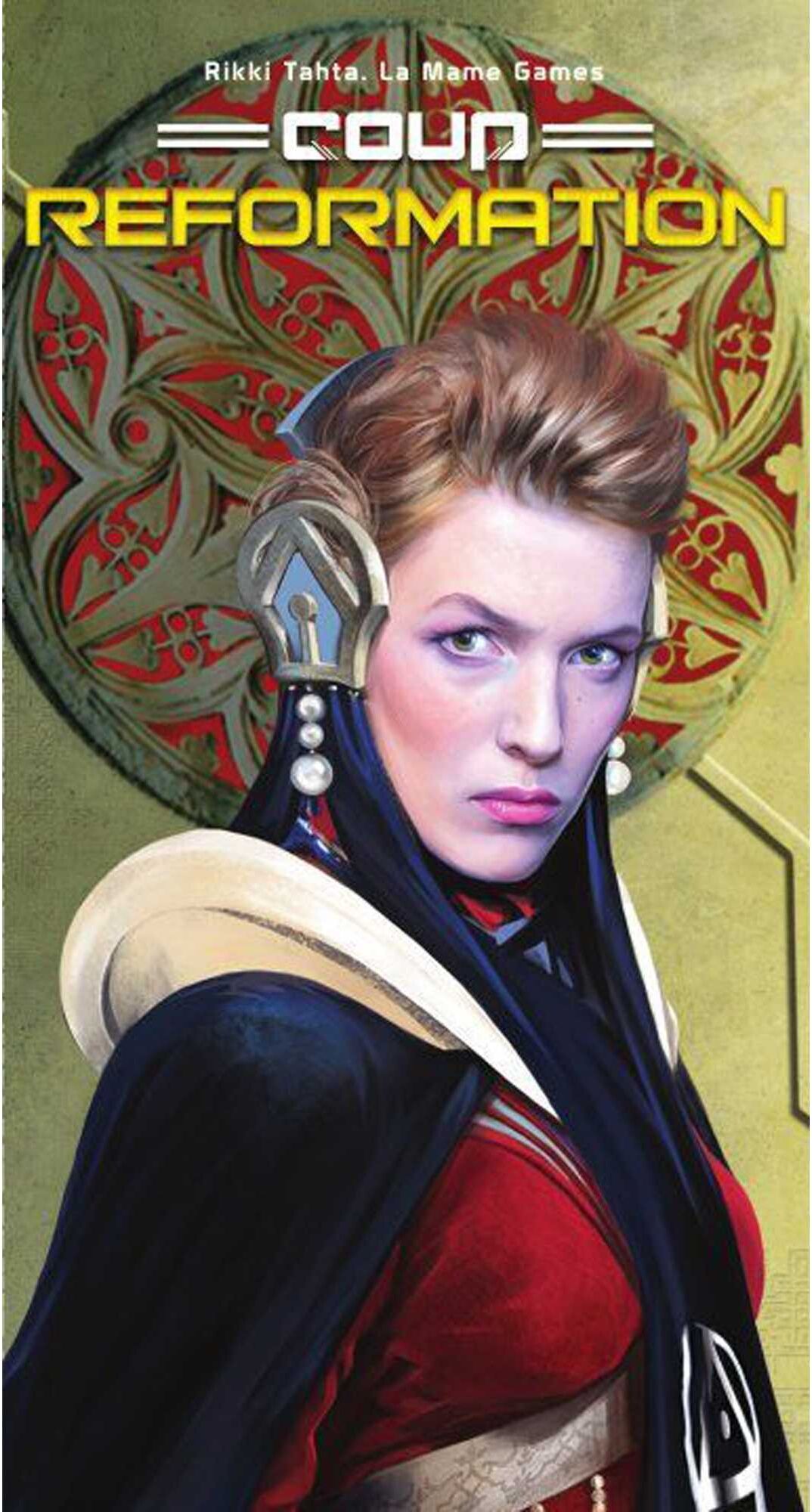
Similar search terms for Reformation
Top-Angebote
Products related to Reformation:
-
Shop Station Blanket Math Formula Blanket Science Throw For Students Teachers & Physics Lovers black 28x39inWrap yourself in comfort while celebrating your passion for science with this STEM blanket. Designed with eyecatching mathematical and physics formulas, this ultrasoft math formula blanket adds personality to your bedroom, sofa, or dorm while...64,97 $*Shipping: 0,00 $Secure redirect to the provider
-
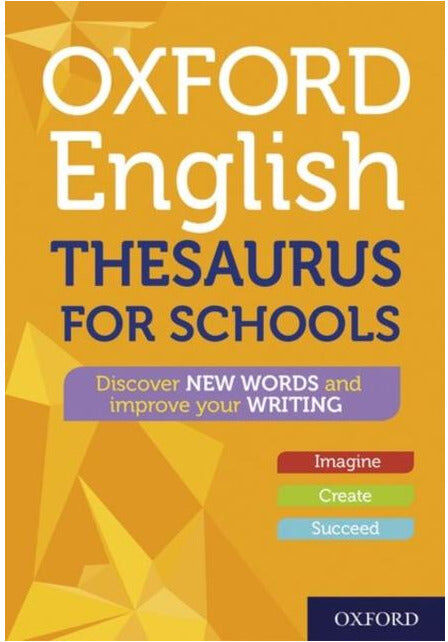
OXFORD UNIVERSITY PRESS Oxford English Thesaurus For SchoolsThe Oxford English Thesaurus for Schools is easy to use with its accessible layout, making it the perfect language resource for school work and studying at home. Fully updated, it delivers a wide vocabulary with excellent coverage of curriculum words, for example cell and fraction, as well new words on topics such as technology, health and the environment. It also provides context with age-appropriate example sentences, from the best children's books and teenage fiction, to show students how to use language most effectively. It is powered by the Oxford Children's Corpus, a unique electronic database of millions of words written by and for children, which means that the vocabulary is presented in a way that is both accessible and stretching. It gives hands-on support to young writers, with a unique toolkit on writing skills, including word webs, special synonyms, overused words panels, writing tips panels, and usage notes. It also includes a new section on creative writing drawing on the 500 words to support students with their own writing. This is the ideal resource to use when preparing for the Spoken Language Study and the English Language objectives of the GCSE specifications for KS3-4, and where permitted, is ideal for taking in to Controlled Assessments, along with the companion Oxford English Dictionary for Schools. Free downloadable learning resources, word games, puzzles, and much more are available for additional online support at www.oxforddictionaries.com/schools9,49 £*Shipping: 2,99 £Secure redirect to the provider
-
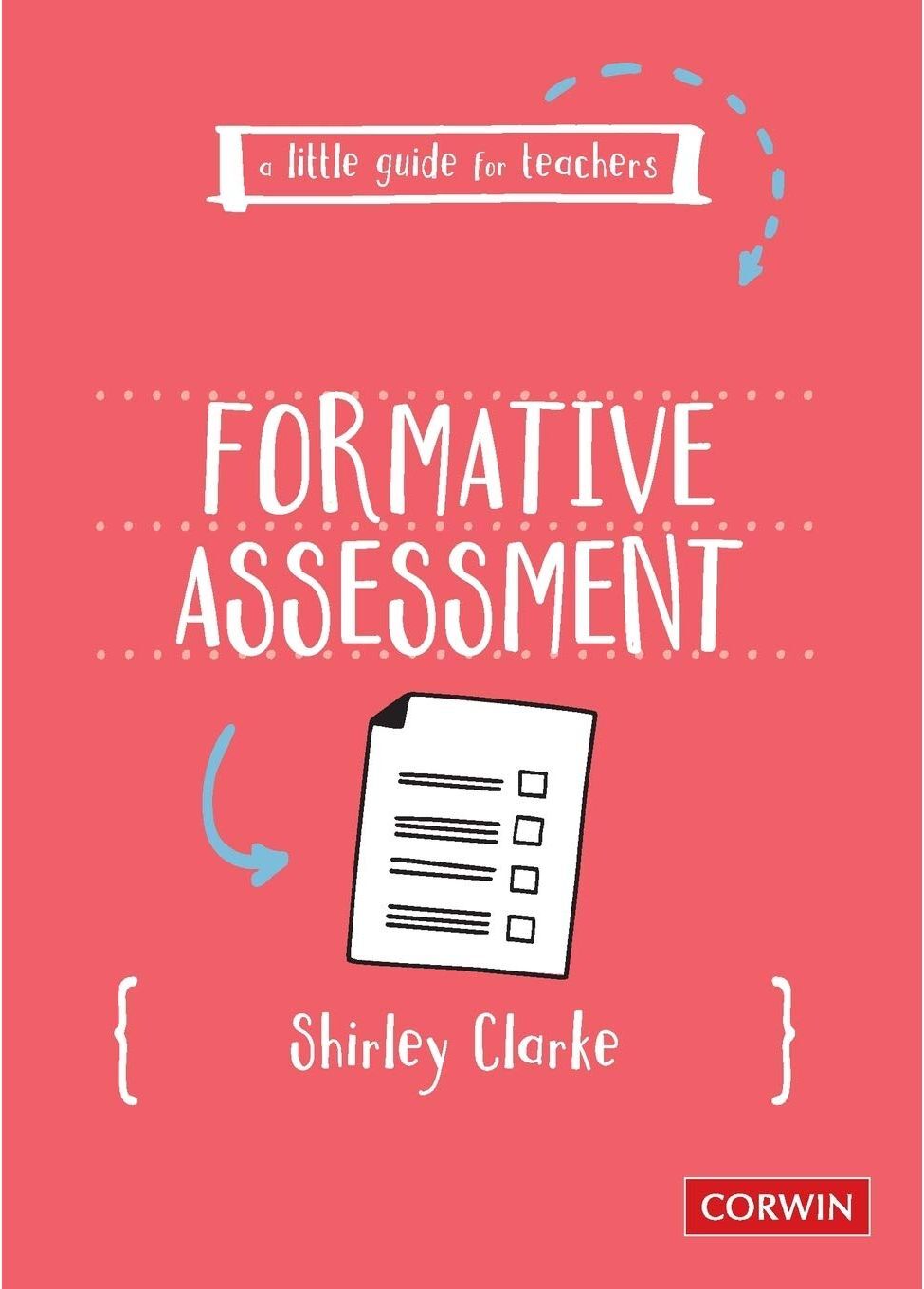
SAGE Publications A Little Guide for Teachers: Formative Assessment (A Little Guide for Teachers)Bridging the gap between research and practice A Little Guide for Teachers: Formative Assessment gives teachers practical tried and tested strategies to put formative assessment into action in their classrooms. The Little Guide for Teachers series is little in size but BIG on all the support and inspiration you need to navigate your day to day life as a teacher. · Authored by experts in the field · Easy to dip in-and-out of · Interactive activities encourage you to write into the book and make it your own · Fun engaging illustrations throughout · Read in an afternoon or take as long as you like with it!12,99 £*Shipping: 2,99 £Secure redirect to the provider
-
Usborne Growing Up For Boys Schools Bullies Music Sports Girls StressBody Changes; brain changes; shaving; self-confidence; exercise; healthy eating; social networking; sexuality; drugs; drink; power; responsibility; hormones; feelings; friends; relationships; break-ups; contraception; STI's; stress; bullying exams...PANIC ALLERT! Don't worry; it's all going to be OK. Just keep calm and carry on reading... This book covers everything you need to know to get through the ups and downs of teenage life. Related Tags: Usborne, Usbourne3,89 £*Shipping: 1,99 £Secure redirect to the provider


-
Why were numerous universities founded during the Reformation and Counter-Reformation era?
Numerous universities were founded during the Reformation and Counter-Reformation era because of the increased demand for education and the need to train clergy and scholars in the theological and philosophical debates of the time. The Reformation led to a greater emphasis on the study of scripture and theology, prompting the establishment of Protestant universities to train ministers and scholars in these areas. On the other hand, the Counter-Reformation, led by the Catholic Church, also saw the founding of universities to educate clergy and counter the spread of Protestant ideas. Additionally, the printing press allowed for the dissemination of knowledge, leading to a greater demand for education and the establishment of more universities. **
-
Does the Princes' Reformation differ significantly from the People's Reformation under Luther?
Yes, the Princes' Reformation and the People's Reformation under Luther differ significantly. The Princes' Reformation was driven by political and economic motivations, as many German princes saw an opportunity to gain power and wealth by breaking away from the authority of the Catholic Church. On the other hand, the People's Reformation was more focused on religious and spiritual concerns, with Luther's teachings resonating with the common people who were seeking a more personal and direct relationship with God. Additionally, the Princes' Reformation often involved the use of force and coercion to implement religious changes, while the People's Reformation was more grassroots and organic in nature. **
-
What was the Counter-Reformation?
The Counter-Reformation was a period of Catholic resurgence in response to the Protestant Reformation. It was a movement within the Catholic Church to address the criticisms and challenges posed by the Protestant reformers. The Counter-Reformation involved efforts to reform the Church from within, combat heresy, and strengthen Catholic doctrine and practices. It also led to the founding of new religious orders, such as the Jesuits, to spread Catholicism and combat the spread of Protestantism. **
-
How was it before the Reformation?
Before the Reformation, the Catholic Church held significant power and influence over many aspects of society in Europe. The Church was the dominant religious institution, with a strong hierarchy led by the Pope in Rome. It controlled religious practices, education, and even had a say in political matters. The Church also collected tithes and sold indulgences, which were seen as a way to reduce punishment for sins. However, there were also criticisms of the Church's practices, such as corruption among clergy members, the selling of indulgences, and the lack of access to religious texts for the common people. These criticisms eventually led to the Reformation, a movement that sought to reform the Catholic Church and ultimately resulted in the establishment of Protestantism as a separate branch of Christianity. **

Is Reformation Day a school holiday?
Reformation Day is not a widely recognized school holiday in the United States. While some schools with a religious affiliation or in areas with a significant Protestant population may choose to observe Reformation Day with a day off, it is not a federal or widely recognized holiday. In many cases, schools will remain open on Reformation Day and continue with their regular schedule. **
Is there a reformation among Catholics?
Yes, there have been movements within the Catholic Church that can be seen as a form of reformation. One example is the Second Vatican Council in the 1960s, which brought significant changes to the Church's practices and teachings. Additionally, there are ongoing discussions and debates within the Church about various issues, such as the role of women, the handling of sexual abuse scandals, and the approach to social justice. These movements can be seen as efforts to reform and renew the Catholic Church in response to the changing world. **
Top-Angebote
Products related to Reformation:
-
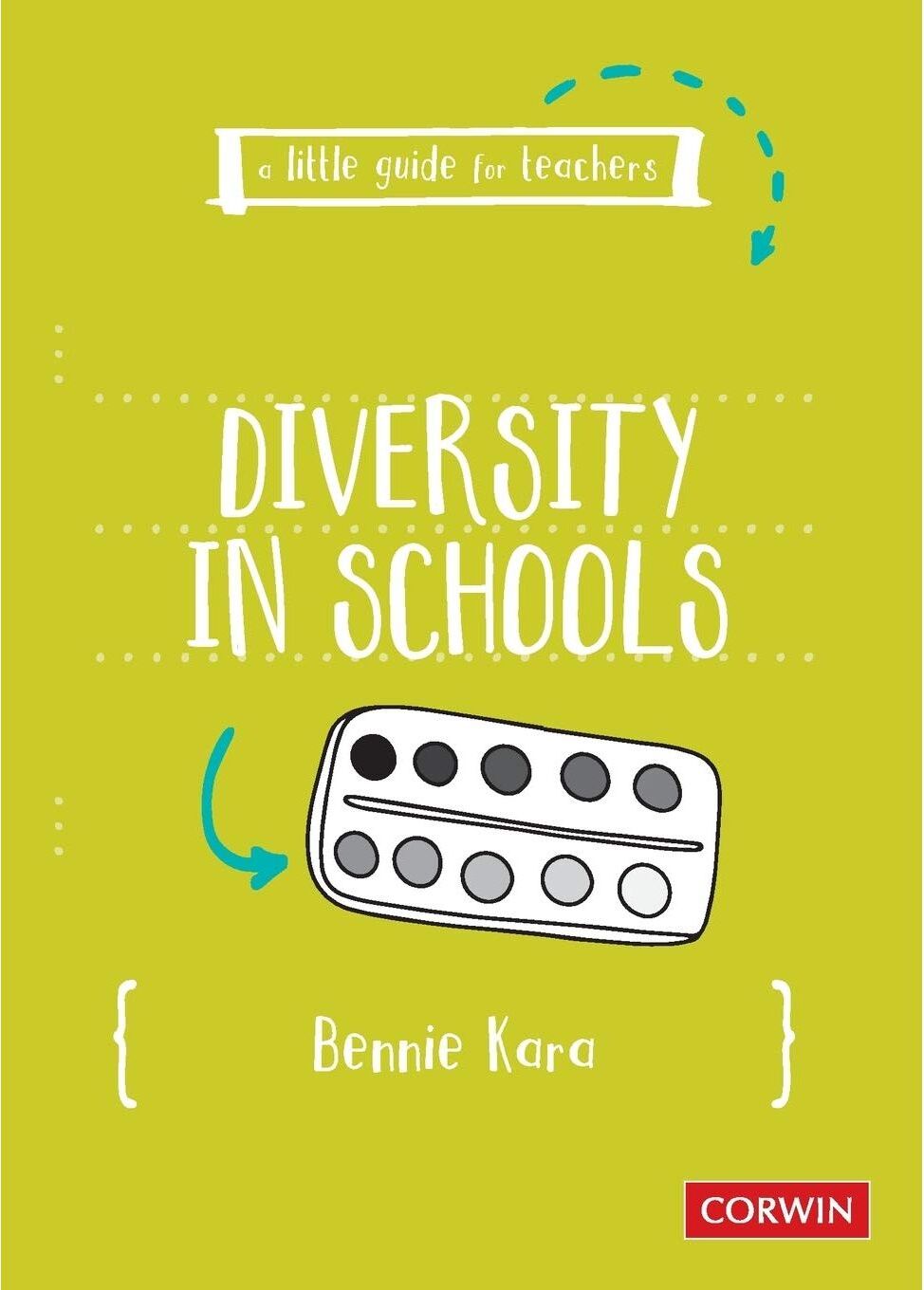
SAGE Publications A Little Guide for Teachers: Diversity in Schools (A Little Guide for Teachers)A Little Guide for Teachers: Diversity in Schools aims to provide starting points for teachers and leaders in creating a curriculum, either across disciplines or within subjects, that is as deep and diverse as their students. The Little Guide for Teachers series is little in size but BIG on all the support and inspiration you need to navigate your day to day life as a teacher. · Authored by experts in the field · Easy to dip in-and-out of · Interactive activities encourage you to write into the book and make it your own · Fun engaging illustrations throughout · Read in an afternoon or take as long as you like with it!12,99 £*Shipping: 2,99 £Secure redirect to the provider
-
Shop Station Blanket Math Formula Blanket Science Throw For Students Teachers & Physics Lovers black 28x39inWrap yourself in comfort while celebrating your passion for science with this STEM blanket. Designed with eyecatching mathematical and physics formulas, this ultrasoft math formula blanket adds personality to your bedroom, sofa, or dorm while...64,97 $*Shipping: 0,00 $Secure redirect to the provider
-
OXFORD UNIVERSITY PRESS Oxford English Thesaurus For SchoolsThe Oxford English Thesaurus for Schools is easy to use with its accessible layout, making it the perfect language resource for school work and studying at home. Fully updated, it delivers a wide vocabulary with excellent coverage of curriculum words, for example cell and fraction, as well new words on topics such as technology, health and the environment. It also provides context with age-appropriate example sentences, from the best children's books and teenage fiction, to show students how to use language most effectively. It is powered by the Oxford Children's Corpus, a unique electronic database of millions of words written by and for children, which means that the vocabulary is presented in a way that is both accessible and stretching. It gives hands-on support to young writers, with a unique toolkit on writing skills, including word webs, special synonyms, overused words panels, writing tips panels, and usage notes. It also includes a new section on creative writing drawing on the 500 words to support students with their own writing. This is the ideal resource to use when preparing for the Spoken Language Study and the English Language objectives of the GCSE specifications for KS3-4, and where permitted, is ideal for taking in to Controlled Assessments, along with the companion Oxford English Dictionary for Schools. Free downloadable learning resources, word games, puzzles, and much more are available for additional online support at www.oxforddictionaries.com/schools9,49 £*Shipping: 2,99 £Secure redirect to the provider
-
What were the Reformation and Counter-Reformation?
The Reformation was a 16th-century movement within Christianity that aimed to reform the Roman Catholic Church. It was led by figures such as Martin Luther, John Calvin, and Huldrych Zwingli, who sought to address corruption and abuses within the Church. The Counter-Reformation, on the other hand, was the Catholic Church's response to the Reformation. It involved efforts to reaffirm and strengthen Catholic doctrine, as well as to address some of the criticisms raised by the reformers. The Council of Trent, held between 1545 and 1563, was a key event in the Counter-Reformation, as it outlined reforms and clarified Catholic teachings. **
-
What was the Reformation and the Counter-Reformation?
The Reformation was a 16th-century movement in Europe that sought to reform the Roman Catholic Church and resulted in the creation of Protestantism. It was sparked by Martin Luther's 95 Theses, which criticized the Church's practices and teachings. The Counter-Reformation was the Catholic Church's response to the Reformation, aiming to address the issues raised by the reformers and to reassert the Church's authority. It included efforts to reform the Church from within, as well as the establishment of the Inquisition to combat heresy. **
-
Why were numerous universities founded during the Reformation and Counter-Reformation era?
Numerous universities were founded during the Reformation and Counter-Reformation era because of the increased demand for education and the need to train clergy and scholars in the theological and philosophical debates of the time. The Reformation led to a greater emphasis on the study of scripture and theology, prompting the establishment of Protestant universities to train ministers and scholars in these areas. On the other hand, the Counter-Reformation, led by the Catholic Church, also saw the founding of universities to educate clergy and counter the spread of Protestant ideas. Additionally, the printing press allowed for the dissemination of knowledge, leading to a greater demand for education and the establishment of more universities. **
-
Does the Princes' Reformation differ significantly from the People's Reformation under Luther?
Yes, the Princes' Reformation and the People's Reformation under Luther differ significantly. The Princes' Reformation was driven by political and economic motivations, as many German princes saw an opportunity to gain power and wealth by breaking away from the authority of the Catholic Church. On the other hand, the People's Reformation was more focused on religious and spiritual concerns, with Luther's teachings resonating with the common people who were seeking a more personal and direct relationship with God. Additionally, the Princes' Reformation often involved the use of force and coercion to implement religious changes, while the People's Reformation was more grassroots and organic in nature. **
Similar search terms for Reformation
-
SAGE Publications A Little Guide for Teachers: Formative Assessment (A Little Guide for Teachers)Bridging the gap between research and practice A Little Guide for Teachers: Formative Assessment gives teachers practical tried and tested strategies to put formative assessment into action in their classrooms. The Little Guide for Teachers series is little in size but BIG on all the support and inspiration you need to navigate your day to day life as a teacher. · Authored by experts in the field · Easy to dip in-and-out of · Interactive activities encourage you to write into the book and make it your own · Fun engaging illustrations throughout · Read in an afternoon or take as long as you like with it!12,99 £*Shipping: 2,99 £Secure redirect to the provider
-
Usborne Growing Up For Boys Schools Bullies Music Sports Girls StressBody Changes; brain changes; shaving; self-confidence; exercise; healthy eating; social networking; sexuality; drugs; drink; power; responsibility; hormones; feelings; friends; relationships; break-ups; contraception; STI's; stress; bullying exams...PANIC ALLERT! Don't worry; it's all going to be OK. Just keep calm and carry on reading... This book covers everything you need to know to get through the ups and downs of teenage life. Related Tags: Usborne, Usbourne3,89 £*Shipping: 1,99 £Secure redirect to the provider
-
Scholastic Thank You, Teachers (Hardcover) - James PattersonThe son of a teacher himself, the world's #1 bestselling author James Patterson blows the lid off what is happening in today's schools with firsthand stories, highlighting the heroic efforts of the world's teachers.Teachers are the heroes we too...28,00 $*Shipping: 0,00 $Secure redirect to the provider
-
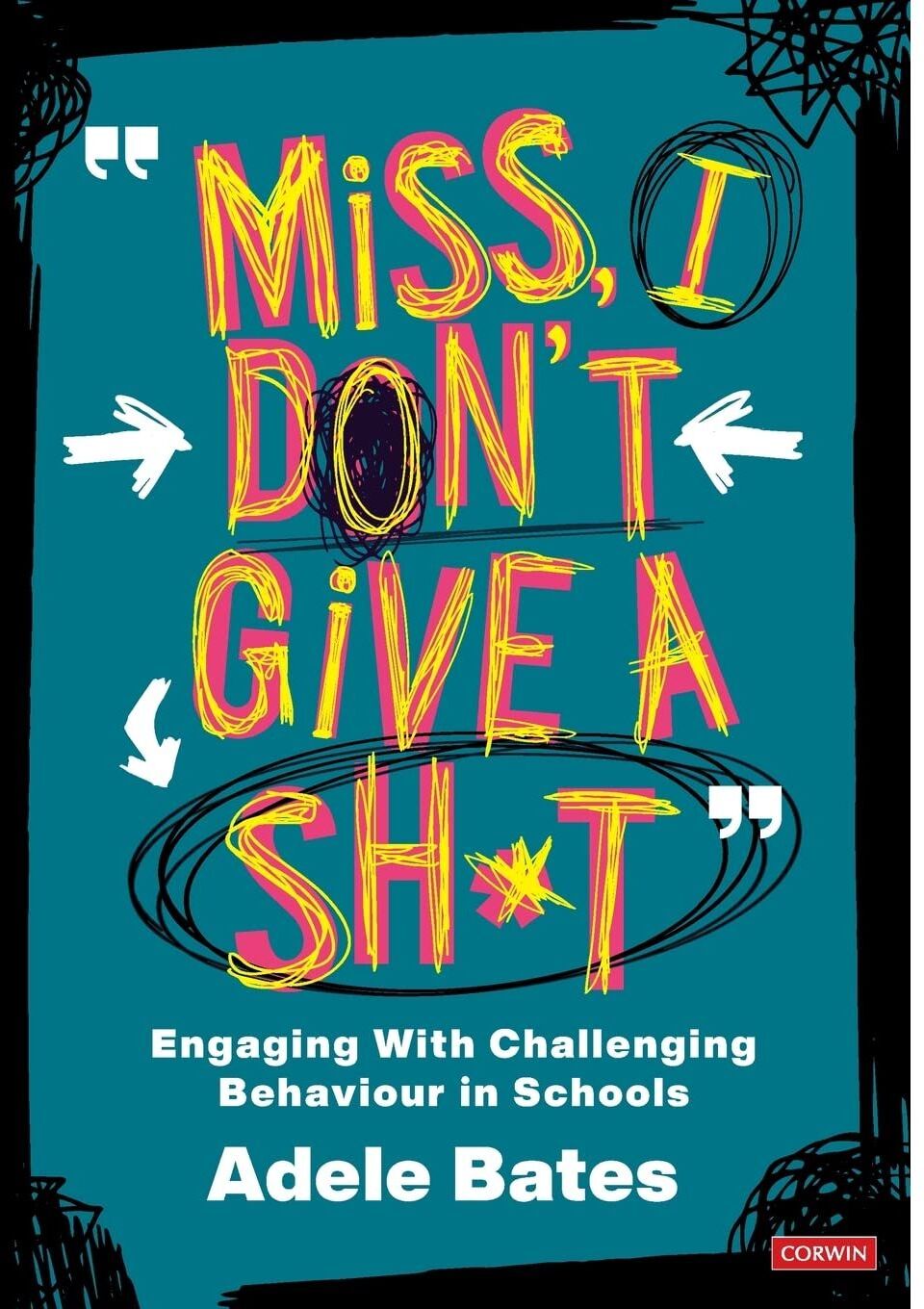
SAGE Publications Miss, I dont give a sh*t : Engaging with challenging behaviour in schoolsDo you want to be an inspiring teacher for everyone you teach, even the trickier cherubs in your class? Or maybe you just want to get through a lesson without a desk flying at you or a blazer being set alight? In this down-to-earth book Adele Bates shares practical approaches, strategies and tips from the classroom on how to help pupils with behavioural needs thrive with their education. Packed full of real-life classroom scenarios, student voice and relevant theory, every chapter offers an Action Box helping you to implement these strategies – next lesson, next week and long term. From relationship building and teaching self-regulation, to fostering inclusivity, paying attention to your own self-care and schoolwide approaches, Adele Bates unpicks some of the most difficult aspects of being a teacher and empowers you to grow as a confident classroom professional.15,69 £*Shipping: 2,99 £Secure redirect to the provider
-
What was the Counter-Reformation?
The Counter-Reformation was a period of Catholic resurgence in response to the Protestant Reformation. It was a movement within the Catholic Church to address the criticisms and challenges posed by the Protestant reformers. The Counter-Reformation involved efforts to reform the Church from within, combat heresy, and strengthen Catholic doctrine and practices. It also led to the founding of new religious orders, such as the Jesuits, to spread Catholicism and combat the spread of Protestantism. **
-
How was it before the Reformation?
Before the Reformation, the Catholic Church held significant power and influence over many aspects of society in Europe. The Church was the dominant religious institution, with a strong hierarchy led by the Pope in Rome. It controlled religious practices, education, and even had a say in political matters. The Church also collected tithes and sold indulgences, which were seen as a way to reduce punishment for sins. However, there were also criticisms of the Church's practices, such as corruption among clergy members, the selling of indulgences, and the lack of access to religious texts for the common people. These criticisms eventually led to the Reformation, a movement that sought to reform the Catholic Church and ultimately resulted in the establishment of Protestantism as a separate branch of Christianity. **
-
Is Reformation Day a school holiday?
Reformation Day is not a widely recognized school holiday in the United States. While some schools with a religious affiliation or in areas with a significant Protestant population may choose to observe Reformation Day with a day off, it is not a federal or widely recognized holiday. In many cases, schools will remain open on Reformation Day and continue with their regular schedule. **
-
Is there a reformation among Catholics?
Yes, there have been movements within the Catholic Church that can be seen as a form of reformation. One example is the Second Vatican Council in the 1960s, which brought significant changes to the Church's practices and teachings. Additionally, there are ongoing discussions and debates within the Church about various issues, such as the role of women, the handling of sexual abuse scandals, and the approach to social justice. These movements can be seen as efforts to reform and renew the Catholic Church in response to the changing world. **
* All prices are inclusive of VAT and, if applicable, plus shipping costs. The offer information is based on the details provided by the respective shop and is updated through automated processes. Real-time updates do not occur, so deviations can occur in individual cases. ** Note: Parts of this content were created by AI.