Buy udise.com ?
We are moving the project
udise.com .
Are you interested in purchasing the domain
udise.com ?
domain@kv-gmbh.de · 0541-91531010
Buy udise.com ?
How is electronegativity created?
Electronegativity is created by the ability of an atom to attract electrons towards itself in a chemical bond. This ability is influenced by factors such as the number of protons in the nucleus, the distance between the nucleus and the outer electrons, and the shielding effect of inner electron shells. Atoms with a higher electronegativity value tend to attract electrons more strongly, leading to the formation of polar covalent bonds or ionic bonds in chemical compounds. **
What is electronegativity difference?
Electronegativity difference is a measure of the difference in electronegativity values between two atoms in a chemical bond. Electronegativity is the ability of an atom to attract shared electrons in a covalent bond. The greater the electronegativity difference between two atoms, the more polar the bond will be. This difference in electronegativity influences the distribution of electrons in the bond, leading to the formation of polar or nonpolar covalent bonds. **


Similar search terms for Electronegativity
Top-Angebote
Products related to Electronegativity:
-
OXFORD UNIVERSITY PRESS Oxford English Thesaurus For SchoolsThe Oxford English Thesaurus for Schools is easy to use with its accessible layout, making it the perfect language resource for school work and studying at home. Fully updated, it delivers a wide vocabulary with excellent coverage of curriculum words, for example cell and fraction, as well new words on topics such as technology, health and the environment. It also provides context with age-appropriate example sentences, from the best children's books and teenage fiction, to show students how to use language most effectively. It is powered by the Oxford Children's Corpus, a unique electronic database of millions of words written by and for children, which means that the vocabulary is presented in a way that is both accessible and stretching. It gives hands-on support to young writers, with a unique toolkit on writing skills, including word webs, special synonyms, overused words panels, writing tips panels, and usage notes. It also includes a new section on creative writing drawing on the 500 words to support students with their own writing. This is the ideal resource to use when preparing for the Spoken Language Study and the English Language objectives of the GCSE specifications for KS3-4, and where permitted, is ideal for taking in to Controlled Assessments, along with the companion Oxford English Dictionary for Schools. Free downloadable learning resources, word games, puzzles, and much more are available for additional online support at www.oxforddictionaries.com/schools9,49 £*Shipping: 2,99 £Secure redirect to the provider
-
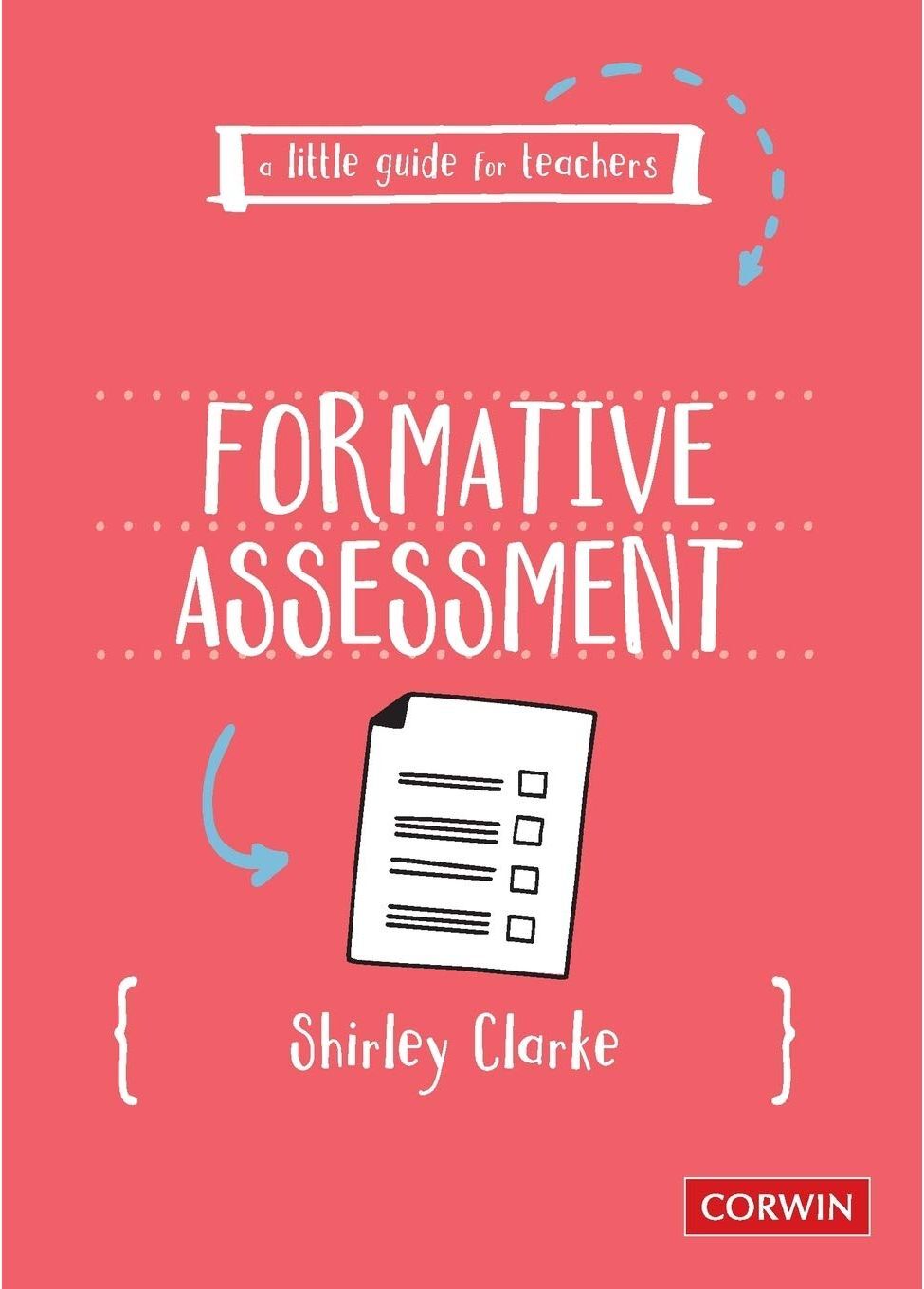
SAGE Publications A Little Guide for Teachers: Formative Assessment (A Little Guide for Teachers)Bridging the gap between research and practice A Little Guide for Teachers: Formative Assessment gives teachers practical tried and tested strategies to put formative assessment into action in their classrooms. The Little Guide for Teachers series is little in size but BIG on all the support and inspiration you need to navigate your day to day life as a teacher. · Authored by experts in the field · Easy to dip in-and-out of · Interactive activities encourage you to write into the book and make it your own · Fun engaging illustrations throughout · Read in an afternoon or take as long as you like with it!12,99 £*Shipping: 2,99 £Secure redirect to the provider
-
Usborne Growing Up For Boys Schools Bullies Music Sports Girls StressBody Changes; brain changes; shaving; self-confidence; exercise; healthy eating; social networking; sexuality; drugs; drink; power; responsibility; hormones; feelings; friends; relationships; break-ups; contraception; STI's; stress; bullying exams...PANIC ALLERT! Don't worry; it's all going to be OK. Just keep calm and carry on reading... This book covers everything you need to know to get through the ups and downs of teenage life. Related Tags: Usborne, Usbourne3,89 £*Shipping: 1,99 £Secure redirect to the provider
-
Scholastic Thank You, Teachers (Hardcover) - James PattersonThe son of a teacher himself, the world's #1 bestselling author James Patterson blows the lid off what is happening in today's schools with firsthand stories, highlighting the heroic efforts of the world's teachers.Teachers are the heroes we too...28,00 $*Shipping: 0,00 $Secure redirect to the provider



-
How is electronegativity formed?
Electronegativity is a measure of an atom's ability to attract and hold onto electrons in a chemical bond. It is determined by factors such as the number of protons in the nucleus, the distance between the nucleus and the outer electrons, and the shielding effect of inner electron shells. Electronegativity values are assigned to each element based on these factors, with fluorine having the highest electronegativity value of 4.0. The electronegativity of an element can also vary depending on its chemical environment and bonding partners. **
-
How do I calculate electronegativity?
Electronegativity is calculated using the Pauling scale, which assigns a numerical value to each element based on its ability to attract electrons in a chemical bond. The electronegativity values range from 0.7 for cesium to 4.0 for fluorine. To calculate the electronegativity difference between two elements in a bond, subtract the electronegativity value of the less electronegative element from the value of the more electronegative element. This difference can help predict the type of bond that will form between the two elements. **
-
How can one recognize electronegativity?
Electronegativity is a measure of an atom's ability to attract and hold onto electrons in a chemical bond. One way to recognize electronegativity is by looking at the periodic table - electronegativity generally increases from left to right across a period and decreases down a group. Elements with higher electronegativity values tend to attract electrons more strongly, leading to the formation of polar covalent bonds. Additionally, electronegativity values can be used to predict the direction of electron movement in a chemical reaction or bond formation. **
-
What is the electronegativity difference?
Electronegativity difference is a measure of the difference in electronegativity values between two atoms in a chemical bond. It helps to determine the polarity of the bond, with larger differences indicating a more polar bond. The greater the electronegativity difference, the more unequal the sharing of electrons between the atoms, leading to a stronger attraction between them. This difference in electronegativity influences the overall properties and behavior of the molecules involved. **


What are the electronegativity values?
Electronegativity values are a measure of the ability of an atom to attract electrons in a chemical bond. The values range from 0.7 for the least electronegative elements to 4.0 for the most electronegative elements. The electronegativity values are used to predict the type of bond that will form between two atoms, with larger differences in electronegativity leading to more polar bonds. The values were first proposed by Linus Pauling and are an important concept in understanding chemical bonding and reactivity. **
What is electronegativity and redox potential?
Electronegativity is a measure of an atom's ability to attract and hold onto electrons in a chemical bond. It is a fundamental property of an element and is used to predict the nature of chemical bonds formed between atoms. Redox potential, on the other hand, is a measure of the tendency of a chemical species to gain or lose electrons in a redox reaction. It is a measure of the ability of a substance to undergo oxidation or reduction and is important in determining the feasibility and direction of redox reactions. Both electronegativity and redox potential play crucial roles in understanding the behavior of chemical elements and compounds in various chemical reactions. **
Top-Angebote
Products related to Electronegativity:
-
SAGE Publications A Little Guide for Teachers: Diversity in Schools (A Little Guide for Teachers)A Little Guide for Teachers: Diversity in Schools aims to provide starting points for teachers and leaders in creating a curriculum, either across disciplines or within subjects, that is as deep and diverse as their students. The Little Guide for Teachers series is little in size but BIG on all the support and inspiration you need to navigate your day to day life as a teacher. · Authored by experts in the field · Easy to dip in-and-out of · Interactive activities encourage you to write into the book and make it your own · Fun engaging illustrations throughout · Read in an afternoon or take as long as you like with it!12,99 £*Shipping: 2,99 £Secure redirect to the provider
-
Shop Station Blanket Math Formula Blanket Science Throw For Students Teachers & Physics Lovers black 28x39inWrap yourself in comfort while celebrating your passion for science with this STEM blanket. Designed with eyecatching mathematical and physics formulas, this ultrasoft math formula blanket adds personality to your bedroom, sofa, or dorm while...64,97 $*Shipping: 0,00 $Secure redirect to the provider
-
OXFORD UNIVERSITY PRESS Oxford English Thesaurus For SchoolsThe Oxford English Thesaurus for Schools is easy to use with its accessible layout, making it the perfect language resource for school work and studying at home. Fully updated, it delivers a wide vocabulary with excellent coverage of curriculum words, for example cell and fraction, as well new words on topics such as technology, health and the environment. It also provides context with age-appropriate example sentences, from the best children's books and teenage fiction, to show students how to use language most effectively. It is powered by the Oxford Children's Corpus, a unique electronic database of millions of words written by and for children, which means that the vocabulary is presented in a way that is both accessible and stretching. It gives hands-on support to young writers, with a unique toolkit on writing skills, including word webs, special synonyms, overused words panels, writing tips panels, and usage notes. It also includes a new section on creative writing drawing on the 500 words to support students with their own writing. This is the ideal resource to use when preparing for the Spoken Language Study and the English Language objectives of the GCSE specifications for KS3-4, and where permitted, is ideal for taking in to Controlled Assessments, along with the companion Oxford English Dictionary for Schools. Free downloadable learning resources, word games, puzzles, and much more are available for additional online support at www.oxforddictionaries.com/schools9,49 £*Shipping: 2,99 £Secure redirect to the provider
-
SAGE Publications A Little Guide for Teachers: Formative Assessment (A Little Guide for Teachers)Bridging the gap between research and practice A Little Guide for Teachers: Formative Assessment gives teachers practical tried and tested strategies to put formative assessment into action in their classrooms. The Little Guide for Teachers series is little in size but BIG on all the support and inspiration you need to navigate your day to day life as a teacher. · Authored by experts in the field · Easy to dip in-and-out of · Interactive activities encourage you to write into the book and make it your own · Fun engaging illustrations throughout · Read in an afternoon or take as long as you like with it!12,99 £*Shipping: 2,99 £Secure redirect to the provider
-
How is electronegativity created?
Electronegativity is created by the ability of an atom to attract electrons towards itself in a chemical bond. This ability is influenced by factors such as the number of protons in the nucleus, the distance between the nucleus and the outer electrons, and the shielding effect of inner electron shells. Atoms with a higher electronegativity value tend to attract electrons more strongly, leading to the formation of polar covalent bonds or ionic bonds in chemical compounds. **
-
What is electronegativity difference?
Electronegativity difference is a measure of the difference in electronegativity values between two atoms in a chemical bond. Electronegativity is the ability of an atom to attract shared electrons in a covalent bond. The greater the electronegativity difference between two atoms, the more polar the bond will be. This difference in electronegativity influences the distribution of electrons in the bond, leading to the formation of polar or nonpolar covalent bonds. **
-
How is electronegativity formed?
Electronegativity is a measure of an atom's ability to attract and hold onto electrons in a chemical bond. It is determined by factors such as the number of protons in the nucleus, the distance between the nucleus and the outer electrons, and the shielding effect of inner electron shells. Electronegativity values are assigned to each element based on these factors, with fluorine having the highest electronegativity value of 4.0. The electronegativity of an element can also vary depending on its chemical environment and bonding partners. **
-
How do I calculate electronegativity?
Electronegativity is calculated using the Pauling scale, which assigns a numerical value to each element based on its ability to attract electrons in a chemical bond. The electronegativity values range from 0.7 for cesium to 4.0 for fluorine. To calculate the electronegativity difference between two elements in a bond, subtract the electronegativity value of the less electronegative element from the value of the more electronegative element. This difference can help predict the type of bond that will form between the two elements. **
Similar search terms for Electronegativity
-
Usborne Growing Up For Boys Schools Bullies Music Sports Girls StressBody Changes; brain changes; shaving; self-confidence; exercise; healthy eating; social networking; sexuality; drugs; drink; power; responsibility; hormones; feelings; friends; relationships; break-ups; contraception; STI's; stress; bullying exams...PANIC ALLERT! Don't worry; it's all going to be OK. Just keep calm and carry on reading... This book covers everything you need to know to get through the ups and downs of teenage life. Related Tags: Usborne, Usbourne3,89 £*Shipping: 1,99 £Secure redirect to the provider
-
Scholastic Thank You, Teachers (Hardcover) - James PattersonThe son of a teacher himself, the world's #1 bestselling author James Patterson blows the lid off what is happening in today's schools with firsthand stories, highlighting the heroic efforts of the world's teachers.Teachers are the heroes we too...28,00 $*Shipping: 0,00 $Secure redirect to the provider
-
SAGE Publications Miss, I dont give a sh*t : Engaging with challenging behaviour in schoolsDo you want to be an inspiring teacher for everyone you teach, even the trickier cherubs in your class? Or maybe you just want to get through a lesson without a desk flying at you or a blazer being set alight? In this down-to-earth book Adele Bates shares practical approaches, strategies and tips from the classroom on how to help pupils with behavioural needs thrive with their education. Packed full of real-life classroom scenarios, student voice and relevant theory, every chapter offers an Action Box helping you to implement these strategies – next lesson, next week and long term. From relationship building and teaching self-regulation, to fostering inclusivity, paying attention to your own self-care and schoolwide approaches, Adele Bates unpicks some of the most difficult aspects of being a teacher and empowers you to grow as a confident classroom professional.15,69 £*Shipping: 2,99 £Secure redirect to the provider
-
Uplift Essentials Childrens Magnetic Maze Walking Ball Early Education Logic & Concentration Puzzle Childrens Magnetic Maze Walking Ball Early Education Logic & Concentration PuzzleSpark your childs curiosity and cognitive growth with this Children's Magnetic Maze Walking Ball. Specially designed for 3yearold early education, this interactive puzzle is a powerful tool for concentration training and developing essential logic...56,97 $*Shipping: 0,00 $Secure redirect to the provider
-
How can one recognize electronegativity?
Electronegativity is a measure of an atom's ability to attract and hold onto electrons in a chemical bond. One way to recognize electronegativity is by looking at the periodic table - electronegativity generally increases from left to right across a period and decreases down a group. Elements with higher electronegativity values tend to attract electrons more strongly, leading to the formation of polar covalent bonds. Additionally, electronegativity values can be used to predict the direction of electron movement in a chemical reaction or bond formation. **
-
What is the electronegativity difference?
Electronegativity difference is a measure of the difference in electronegativity values between two atoms in a chemical bond. It helps to determine the polarity of the bond, with larger differences indicating a more polar bond. The greater the electronegativity difference, the more unequal the sharing of electrons between the atoms, leading to a stronger attraction between them. This difference in electronegativity influences the overall properties and behavior of the molecules involved. **
-
What are the electronegativity values?
Electronegativity values are a measure of the ability of an atom to attract electrons in a chemical bond. The values range from 0.7 for the least electronegative elements to 4.0 for the most electronegative elements. The electronegativity values are used to predict the type of bond that will form between two atoms, with larger differences in electronegativity leading to more polar bonds. The values were first proposed by Linus Pauling and are an important concept in understanding chemical bonding and reactivity. **
-
What is electronegativity and redox potential?
Electronegativity is a measure of an atom's ability to attract and hold onto electrons in a chemical bond. It is a fundamental property of an element and is used to predict the nature of chemical bonds formed between atoms. Redox potential, on the other hand, is a measure of the tendency of a chemical species to gain or lose electrons in a redox reaction. It is a measure of the ability of a substance to undergo oxidation or reduction and is important in determining the feasibility and direction of redox reactions. Both electronegativity and redox potential play crucial roles in understanding the behavior of chemical elements and compounds in various chemical reactions. **
* All prices are inclusive of VAT and, if applicable, plus shipping costs. The offer information is based on the details provided by the respective shop and is updated through automated processes. Real-time updates do not occur, so deviations can occur in individual cases. ** Note: Parts of this content were created by AI.